ScienceCards — Bite-sized science facts
Discover curated science facts across biology, chemistry, physics, astronomy, and more. 60 community-curated facts to explore.
Popular facts
- Flying nonstop to the Moon on a commercial airliner at 900… — Flying nonstop to the Moon on a commercial airliner at 900 km/h would take about 18 days! The 384,400 km distance means you could line up about 30 Earths side-by-side between…
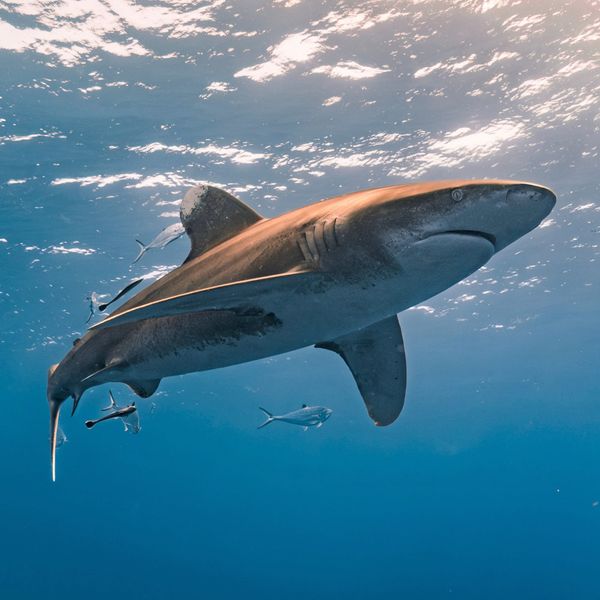
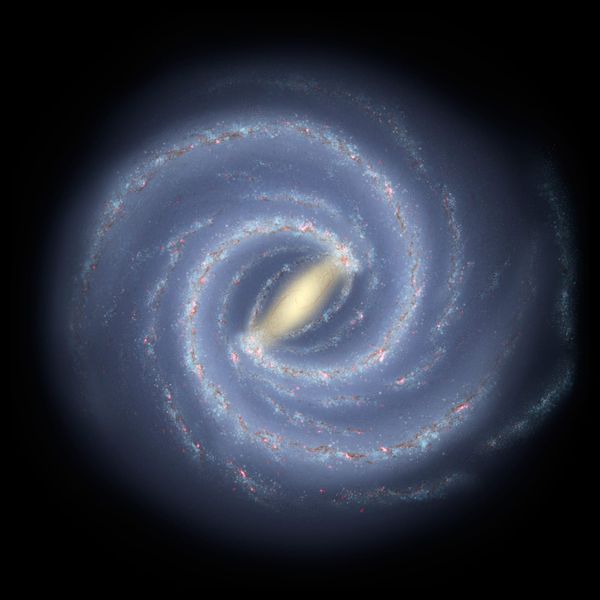
- Sharks (450 million years old) have existed for two… — Sharks (450 million years old) have existed for two galactic years—our solar system has orbited the Milky Way twice since they appeared. They predate dinosaurs and are older than…
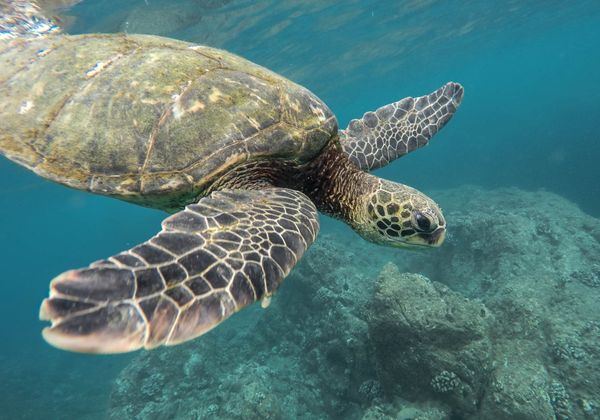
- Sea turtles navigate thousands of miles using Earth's… — Sea turtles navigate thousands of miles using Earth's magnetic field as a biological GPS. They detect both intensity and angle—hatchlings reorient instantly when researchers shift…
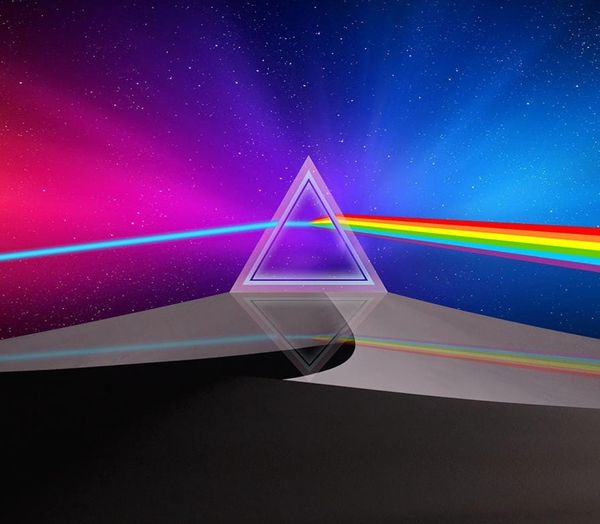
- White light is a mix of all visible wavelengths. — White light is a mix of all visible wavelengths. Newton proved this in 1666 by splitting light into a rainbow with a prism, then recombining the colors back into white with a…
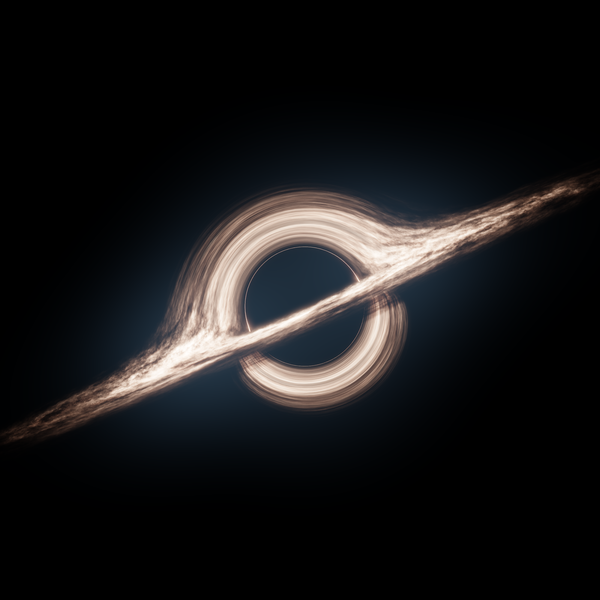
- The largest black hole we know of is TON 618, with a mass… — The largest black hole we know of is TON 618, with a mass estimated at around 66 billion times the mass of our Sun, or roughly 22 trillion Earths.
- The glow of heated metals is due to black-body radiation… — The glow of heated metals is due to black-body radiation, where temperature determines the light’s color and intensity—a key concept in astronomy, materials science, and lighting.
- Whales evolved from Pakicetus, a cat-sized, four-legged… — Whales evolved from Pakicetus, a cat-sized, four-legged land animal that lived ~50 million years ago. Fossil evidence confirms this transition.
- Jupiter’s lightning is 100 times more powerful than… — Jupiter’s lightning is 100 times more powerful than Earth’s, one bolt can release energy equivalent to 2,400 tons of TNT—proving planetary weather can far exceed Earth’s extremes.
- A grain-of-sand-sized brain fragment contains 100,000… — A grain-of-sand-sized brain fragment contains 100,000 neurons and 1 billion synapses, all talking at once, highlighting the brain’s staggering complexity and efficiency.
- Octopuses have three hearts: two pump blood through their… — Octopuses have three hearts: two pump blood through their gills, and one circulates it to the body. Their unique circulatory system shows how evolution doesn't follow a single…
- The human brain doesn’t feel pain—it lacks nociceptors—but… — The human brain doesn’t feel pain—it lacks nociceptors—but processes signals from the body. This lets it focus on coordination, cognition, and survival without distraction.
- Turritopsis dohrnii, the “immortal jellyfish,” can… — Turritopsis dohrnii, the “immortal jellyfish,” can transdifferentiate—reverting from an adult back to a juvenile polyp after maturity, resetting its life cycle and avoiding…